


- Country: France
- Brand: Mundipharma
1. What is alox vial?
The drug alox vial (palonosetron hydrochloride) is an antiemetic and antiemetic. It is a serotonin subtype 3 (5-HT3) receptor antagonist with strong binding affinity for this receptor. Palonosetron works by blocking serotonin, a natural chemical in the body that causes vomiting. 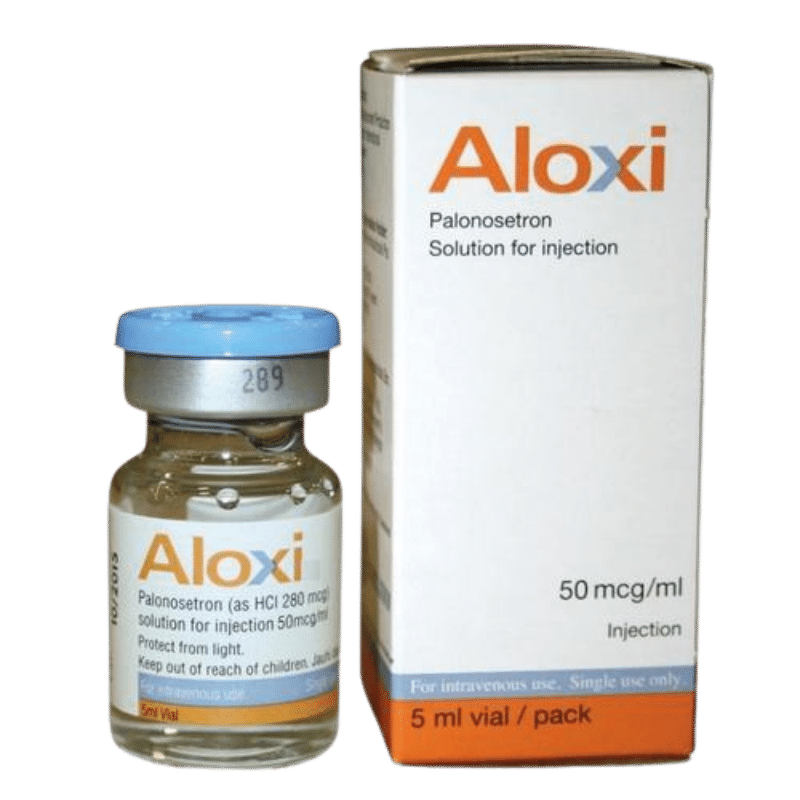
Cancer chemotherapy can lead to high rates of nausea and vomiting, especially when certain agents are used, such as cisplatin. The 5-HT3 receptors are located on the nerve terminals of the vagus in the periphery and in the center of the chemoreceptor trigger zone of the anal region. Many claim that the main cause of nausea and vomiting is chemotherapy. By releasing serotonin from the enterochromaffin cells of the small intestine, the subsequently released serotonin activates 5-HT3 receptors located on the vagus inducers to initiate the vomiting reflex.
Postoperative nausea and vomiting are influenced by many factors related to the patient, surgery, and anesthesia and are triggered by 5-HT release in a chain of neural events involving the whole nervous system. central nervous system and gastrointestinal tract. The 5-HT3 receptor has been shown to selectively participate in the vomiting response.
2. Uses of the drug aloxi
Aloxi vial is used to prevent nausea and vomiting that may occur:
Immediately after taking certain anti-cancer drugs
After taking some anti-cancer drugs
Immediately after recovering from anesthesia after surgery
Aloxi Vial
Aloxi vial is used to prevent nausea and vomiting
banner image
3. Use of aloxi
Aloxi is given into your vein by intravenous line. Medicines are only given to you in a hospital or clinic when prescribed. Aloxi is usually injected into your vein about 30 minutes before you take your anti-cancer medicine (chemotherapy) or right before anesthesia for surgery.
Dosage is based on your medical condition and response to treatment. In children, dosage is also based on weight.
4. Note when using aloxi
Do not take Aloxi if you are allergic to any of the ingredients. The active ingredient is palonosetron hydrochloride. Read the leaflet carefully for the complete list of ingredients in Aloxi. Aloxi has not been studied in children under 18 years of age.
You should inform your doctor about your current condition such as:
For pregnant women: It is not known whether Aloxi can harm your unborn baby.
Breast-feeding: It is not known whether Aloxi passes into your milk and could harm your baby. You should choose to take Aloxi or breastfeed, but not both.
Tell your doctor about all the medicines you take including prescription and over-the-counter medicines, vitamins, and herbal supplements.
Aloxi vial drug
Read the instructions for use carefully before using
5. Side effects of aloxi
The most common side effects of Aloxi are headache, constipation, diarrhea, and dizziness.
Serious allergic reactions, such as anaphylaxis, may occur when aloxi is taken. Call emergency medical help right away if you have any of the following symptoms: hives, facial swelling, trouble breathing, chest pain.
Serotonin syndrome: Serotonin syndrome can occur with medicines called 5-HT3 receptor antagonists, including Aloxi, especially when used with medicines used to treat depression and migraine headaches such as serotonin reuptake inhibitors (SSRIs), serotonin and norepinephrine reuptake inhibitors, monoamine oxidase inhibitors (MAOIs), and some others.